1. Wheel of the chariot of the sun, 3 metres high. Konarak.
2. Detail of a wheel of the chariot of the sun, Konarak.
3. On the road
from Gwalior to Agra, peasants on the way to the festival of Diwali at Morena.
4. Flying figure, Kailasa of Ellora, VIIIth century.
5.
Detail of the Rameshwaram cave (No. 21) at Ellora, VIth century (?). The figure on the left represents the river goddess Ganga, on the right a protecting
divinity.
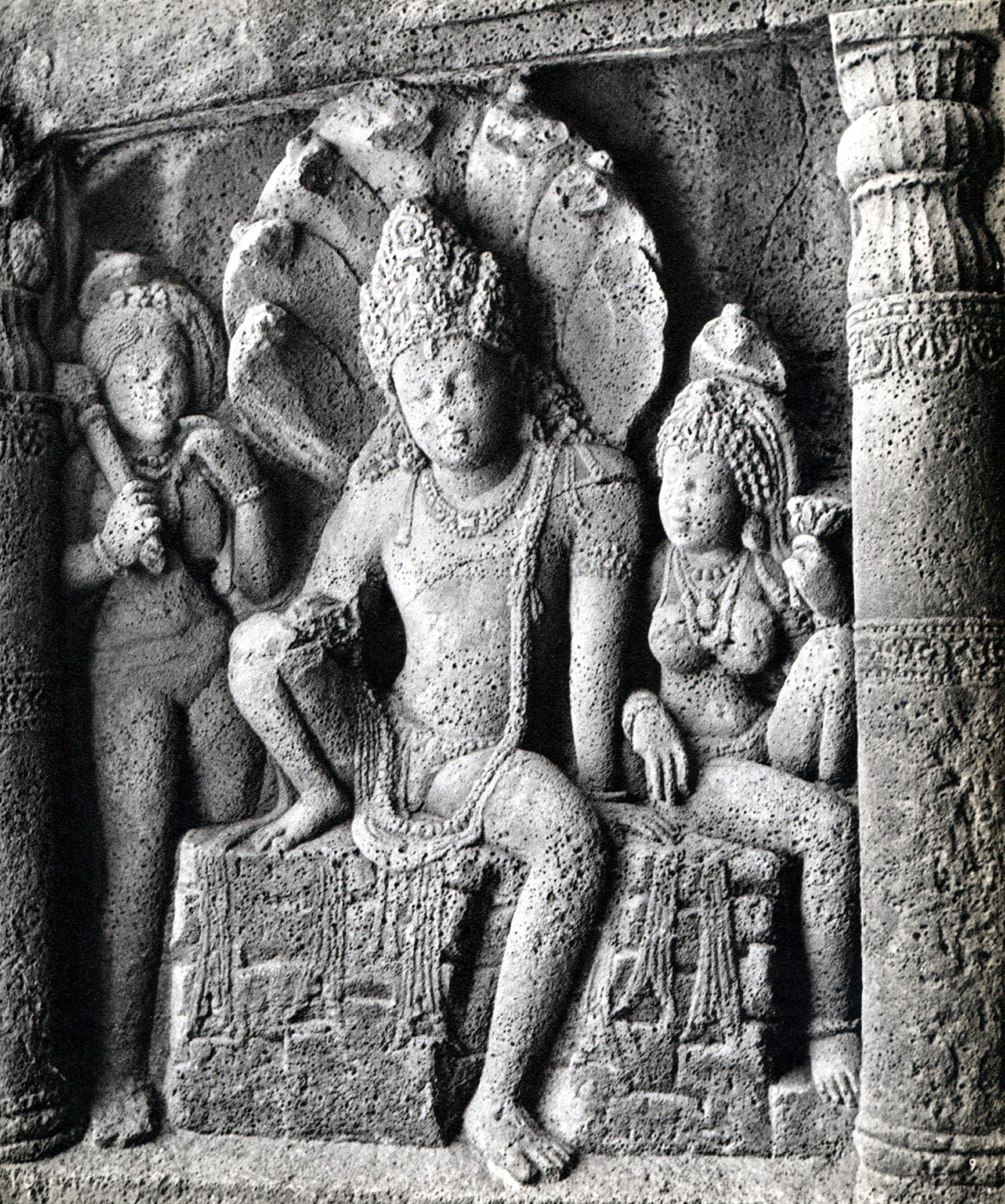
6. Reliefs of cave No. 19 at Ajanta. The king and the queen of the snakes (naga) lords of the water.
7. Rameshwaram cave at
Ellora, Shiva as Nataraja, king of the dance.
8. Cave temple of Elephanta, end of the VIth century (?). Shiva in his two aspects: masculine and
feminine, leaning on his traditional steed, the bull Nandi.
9. Halebid, Mysore, the great Shiva temple. XIIIth century, Hoysala style.
10. Detail of the outer doorway of the temple of Mukteshwara, Bhubaneshwar, Orissa, about 975 A.D.
11. Sun Temple, smile of the apsara.
12. Meeting near Debal, Gharwal, Bara Khimanand and his daughter go down to the plain.
13. In the temple of Jembukeshwara, near Shrirangam,
group of Brahmins, in the background the entrance to the cella containing the statue of the god and into which non-Hindus may not enter.
14.
Statue of the Jain God Mahavir, X-XIth century, Nilkanth, Alwar district.
Friday, September 28, 2012
Wednesday, September 5, 2012
Hand Painted Films
1 - 7. Norman McLaren - hand-painted 35mm film fragments.
8,9. Stan Brakhage - Out-Takes - University of Colorado Boulder (1991) - hand-painted 70mm-IMAX film strips.
10, 11, 12. José Antonio Sistiaga - Ere erera baleibu izik subua aruaren (1968-1970) - hand-painted 35mm film fragments.
8,9. Stan Brakhage - Out-Takes - University of Colorado Boulder (1991) - hand-painted 70mm-IMAX film strips.
10, 11, 12. José Antonio Sistiaga - Ere erera baleibu izik subua aruaren (1968-1970) - hand-painted 35mm film fragments.
Monday, August 13, 2012
Rite of Passage - Tapinu 'e Mortu (rug of the dead) Crossing the threshold of pulsing colors
The "tapinu 'e Mortu" or "Tapinu de Mortu" (rug of the dead) is a rare Sardinian small rug (resembling the Turkish kilim) which was traditionally used as evidence of death during the funeral lament in the wake.
The "Tapinu de Mortu" of Museum of Popular Life and Traditions, Nuoro. cm83x174. (End of XVIII c., beginning of XIX c.)
1. The central motif.
2. Detail of the striped pattern.
3. Detail.
4. Complete view of the rug.
The "Tapinu de Mortu" of Ethnographic Section of G.A. Sanna Museum in Sassari. cm76x230. (End of XVIII c., beginning of XIX c.) (Photos: Stefano Flore and Gianni Pulina.)
5. The central motif.
6. Detail of the warp and weft of the rug.
7. Detail of the striped pattern.
8. Complete view of the rug.
The "Tapinu de Mortu" of Museum of Popular Life and Traditions, Nuoro. cm83x174. (End of XVIII c., beginning of XIX c.)
1. The central motif.
2. Detail of the striped pattern.
3. Detail.
4. Complete view of the rug.
The "Tapinu de Mortu" of Ethnographic Section of G.A. Sanna Museum in Sassari. cm76x230. (End of XVIII c., beginning of XIX c.) (Photos: Stefano Flore and Gianni Pulina.)
5. The central motif.
6. Detail of the warp and weft of the rug.
7. Detail of the striped pattern.
8. Complete view of the rug.
Wednesday, June 13, 2012
Beuys - Queen Bee
1. Joseph Beuys - Queen Bee (for bronze sculpture), 1958 - gold, bronze 14.4 x 9.6 cm.
2. Joseph Beuys - Queen Bee, 1955 - watercolor, ferrous chloride, 26,7 x 24,1 cm.
3. Joseph Beuys - Queen Bee, 1952 - ferrous chloride, 50,7 x 65 cm.
4. Joseph Beuys - Queen Bee 1, 1952 - wood, wax, terracotta, 34,3 x 34,9 cm x 7,5 cm.
5. Joseph Beuys - Queen Bee 2, 1952 - wood, wax, 27 x 35 cm x 7,5 cm.
6. Joseph Beuys - Queen Bee 3, 1952 - wood, wax, 27 x 35 cm x 7,5 cm.
Saturday, June 2, 2012
Côte d'Ivoire - Ancestral Heritage
1. Oubi man in ceremonial mask with a polychrome wooden sword. Near Tai.
2. Guere ceremonial dance mask. Guiglo region.
3. The ritual dance language is a means of communication with the invisible world, the gods and the ancestors' souls.
4. Ceremonial sword bearer, Atie country.
5. Alepe. During the annual ceremonies, an Atie virgin brings on his head the symbolic effigy of leopard taking a prey in its mouth.
6. Atie drums carried in procession by the young people.
7. Six strings arched harp player in ceremonial dress.
8. Senufo chief in festive dress. Near Korhogo.
9. Actor participating in a commemorative festival. Alepe region.
10. Waniougo mask used by Senufo initiates that recall the chaotic state of the primeval universe.
11. Ceramic votive statuettes. Near Grand Bassam and Bonua.
12. Guro mask representing a large antelope. Near Vavoua.
13, 14. Guere Masks.
15. Senufo cloth with ornamental motifs representing the mythological animals of primeval times. Around Korhogo.
Subscribe to:
Posts (Atom)


